In addition to antibiotics, your dermatologist or doctor may prescribe or recommend topical treatments. For instance, low doses of isotretinoin (Accutane) may be prescribed to help address enlarged oil glands. Drinking large amounts of alcohol can produce many unpleasant effects.
- That means someone drinking heavily may show flushed cheeks and an enlarged nose with a red or purple tint if they have rosacea.
- Licensed medical professionals review material we publish on our site.
- When a person has a pre-existing issue with rosacea or rhinophyma, it can irritate the disorder and worsen symptoms.
- 5 They may be able to identify rhinophyma through a physical examination and a clinical interview.
- Stress, both physical and emotional, is another important trigger that can worsen rosacea symptoms through various biological pathways.
Laser therapy can target blood vessels and minimize visible redness. In severe cases of rhinophyma, surgical procedures may be necessary to reshape the nose. In some cases, chronic alcohol abuse can cause a purple or reddish hue to the nose due to the dilation of blood vessels and skin discoloration. This discoloration is often a sign of underlying health issues and should prompt individuals to seek medical attention and consider treatment for alcohol addiction. Modern medical research has revealed that rhinophyma is primarily a severe form of rosacea, a genetic skin condition that affects certain individuals regardless of their drinking habits.
We offer Medical Alcohol Detox in:
One such physical manifestation that has been observed in some individuals with alcoholism is a purple or reddish discoloration of the nose. This phenomenon, often referred to as “alcoholic nose” or “drinker’s nose,” is characterized by the dilation of blood vessels and the appearance of a purplish hue on the nose’s surface. Drinking alcohol dilates blood vessels, which makes them more likely to burst. Because of this, heavy drinking can aggravate rhinophyma, causing an alcoholic nose.
Phobias: Types, Symptoms, Causes & Treatments
- Rosacea is a chronic inflammatory skin disorder that affects millions of people worldwide.
- In advanced cases, the nostrils may become distorted due to the tissue overgrowth, and the tip of the nose can become significantly enlarged.
- With the right help and guidance, Alcoholics’ nose can be treated and managed so those suffering can lead healthier lives.
- He had a large, bulbous nose that he referred to as his “gin blossoms,” presumably from the amount of gin he drank.
- However, drinking alcohol can worsen rhinophyma symptoms in people with existing severe rosacea.
Rhinophyma is actually a subtype of rosacea, a skin disorder that leaves the nose looking swollen, enlarged, red, bulbous, and distorted. People who experience Rhinophyma may also experience other types of rosacea. For many years, it was assumed that rhinophyma (a misshapen, red, bulbous nose skin condition) was the result of alcoholism.
Triggers Of Rhinophyma And Rosacea
While drinking cannot directly cause the condition, excessive drinking can trigger or aggravate the problem. When someone has Rhinophyma, the blood vessels under the skin of their nose usually break and give the skin a red and swollen appearance. Sometimes this can make the nose look bulbous, bumpy, and disfigured. While rhinophyma cannot always be prevented, managing rosacea in its early stages can reduce the likelihood of progression. Protecting your skin from extreme temperatures, using sun protection, and identifying personal triggers can help mitigate symptoms.
What Is Rosacea and How Is it Related To Rhinophyma?
Rosacea causes visibly red or swollen skin and sometimes bumps or acne-like conditions. While it’s true that chronic alcohol abuse can lead to many health problems, there is no definitive evidence that drinking alcohol causes the so-called alcoholic nose. While alcohol doesn’t cause rhinophyma, reducing alcohol consumption can help minimize rosacea flares and may slow the progression of symptoms. This is particularly important for people who notice that their facial redness and inflammation worsen after drinking. Surgical treatment can remove tissue overgrowth, reshape disfigured noses, and minimize the appearance of enlarged blood vessels. It may be completed with a scalpel, laser resurfacing, dermabrasion, or via cryosurgery.
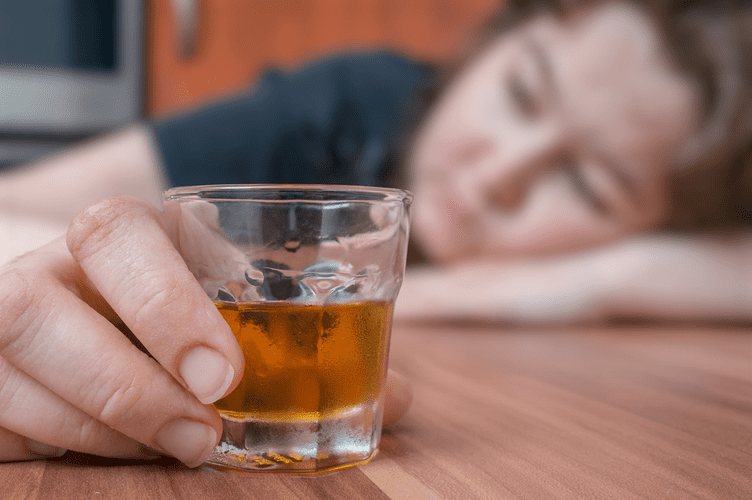
Alcoholic Nose (Rhinophyma): The Real Cause, and How to Treat It
However, if a case of rhinophyma is less severe, some of the treatments we discussed for rosacea may be used. The Mayo Clinic reports that over a long period of time, rosacea can thicken the skin of the nose. This thickening of the nose causes it to become more bulbous, which is the condition you now know as rhinophyma. Although rosacea itself is more common in women heroin addiction than men, the specific side effect of rhinophyma happens more often in men than women.

Featured Programs
The primary cause of drinkers nose is the vasodilatory effect of alcohol on blood vessels. Alcohol consumption can lead to the widening of blood vessels near the skins surface, resulting in increased blood flow to the face, including the nose. Over time, this constant dilation of blood vessels can drinkers nose contribute to the development of drinkers nose. It is a type of rosacea, a long-term skin condition that primarily affects the face.
The Effect Of Alcohol Addiction On People With Rosacea
Immediate flushing from drinking alcohol often fades a few hours after you stop drinking or, at worst, the next day. These groups are the most likely to suffer from alcoholic nose because the way alcohol affects circulation and skin exacerbates the situation. However, anyone can experience alcohol and non-alcohol-related rosacea it is just more likely in the above groups and people who persistently drink too much alcohol. However, alcohol use disorder is treatable with detox, inpatient rehab programs, and other https://www.fibrowattusa.com/do-i-need-my-own-motorcycle-for-a-cbt/ treatment services.
Common treatment options include medication, behavioral therapies, and 12-step support groups. Starting treatment early in the course of rosacea can help prevent progression to more severe forms like rhinophyma. Early treatment typically involves topical medications, lifestyle modifications to avoid triggers, sun protection measures, and regular monitoring by a dermatologist. At The Recovery Village Palmer Lake, we understand that people may face multiple health challenges simultaneously. Our inpatient rehab programs can address alcohol use disorders while coordinating with dermatologists and other specialists to manage related medical conditions. Successful rosacea management begins with identifying individual trigger factors and developing strategies to avoid or minimize exposure.
Thus, somebody who is an alcoholic and rhinophyma may have a redder and more bulbous nose than their red, and bulbous nose usually is. While there are no severe side effects of alcoholic nose, the main side effect is their physical appearance. Alcoholic nose does not prevent someone from breathing or give them any trouble in their day-to-day life. If a person suffering from rosacea also has rhinophyma, the flushing in the face due to alcohol can increase the visibility of their rosacea and rhinophyma symptoms. That means someone drinking heavily may show flushed cheeks and an enlarged nose with a red or purple tint if they have rosacea. Rosacea is a chronic skin condition and disorder that causes the skin to appear different in texture, pigment, and size than normal skin.